From Referral to Results: Navigating the UK Breast Clinic with Confidence
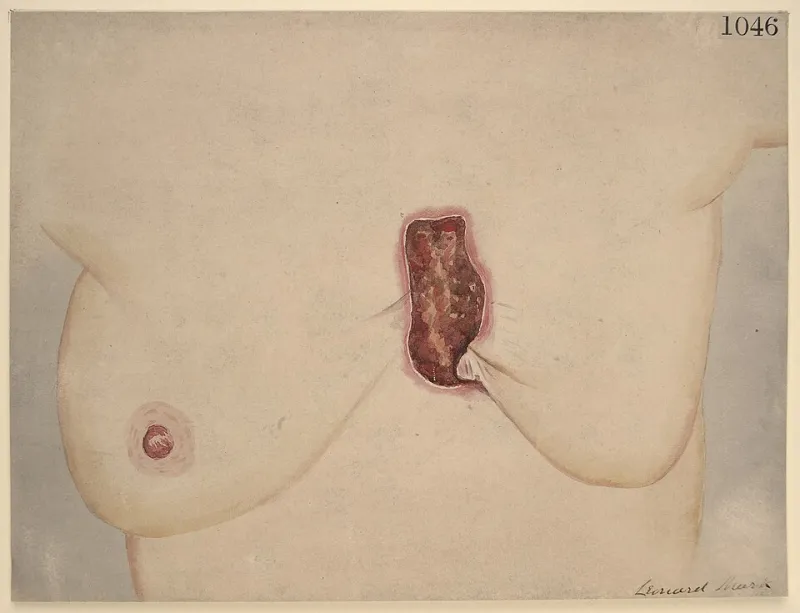
Photo: Mark, Leonard Portal, CC BY 4.0, via Wikimedia Commons
Being referred to a breast clinic can feel as though events are moving very quickly, while the wait for answers seems to stretch endlessly. Your GP has acted promptly because current UK guidance asks them to assess breast symptoms carefully and, where appropriate, send you for specialist review. This guide explains the usual stages of that pathway, what each test is for, and how to look after yourself while you wait. It cannot replace individual medical advice, but it can help you feel more prepared for conversations with your clinical team.
Why your GP has referred you
An urgent suspected cancer referral – often called a two-week wait referral – is a way of making sure people with possible cancer symptoms are seen quickly. It does not mean your GP is certain you have cancer. Most people referred to a breast clinic do not receive a cancer diagnosis. GPs use national guidance to decide who needs specialist assessment; breast lumps, skin changes, nipple discharge or persistent pain may prompt a referral, depending on your age and symptoms.
In England, the NHS also reports against a Faster Diagnosis Standard, which aims to give people a definitive diagnosis or all-clear within 28 days of referral. Waiting times can vary by nation and local service, so ask your GP practice or clinic if you are unsure what to expect. Keep your appointment letter safe and note the contact number: if you have not heard within the expected timeframe, it is reasonable to ring and check.
What happens at the breast clinic
Many hospitals run a one-stop breast clinic, where you may have a clinical examination and imaging in the same visit. A specialist will examine your breasts and ask about your symptoms, general health, family history and medicines. You may then have a mammogram, an ultrasound, or both. A mammogram uses X-rays and is usually performed by a radiographer; an ultrasound uses sound waves and may be used for younger breasts or to look more closely at a specific area. These tests can be uncomfortable, but they are usually brief.
Not everyone needs every test. The team will explain what they are looking for and whether you can expect any results that day. It is common to leave with some information but still need to wait for a biopsy result, which can feel frustrating. Try to take someone with you if you would like support, and write down questions beforehand.
Biopsy: what it involves and why results take time
If imaging shows an area that needs closer investigation, the team may recommend a biopsy. This usually means taking a small sample of tissue with a fine needle under local anaesthetic, often guided by ultrasound or mammogram. You may feel a sharp scratch and some bruising afterwards. The sample is examined by a pathologist, and the findings are discussed by a multidisciplinary team – surgeons, radiologists, pathologists, oncologists and specialist nurses – so that recommendations are coordinated.
Waiting for biopsy results often takes around a week, though it can be longer. This is not usually a sign that something is wrong; it reflects the work needed to reach an accurate answer. If the result is benign, you may be discharged or offered follow-up. If it is cancer, your specialist nurse will explain the type, what further tests may be needed and the likely next steps. You should be given time to ask questions and to discuss treatment options.
Questions worth taking with you
- What tests am I having today, and when will I get the results?
- Who will contact me, and by what method?
- If a biopsy is needed, what should I expect afterwards?
- What symptoms should prompt me to seek advice sooner?
- Is there a specialist nurse I can speak to while I wait?
- What support is available locally, including emotional support?
Managing the wait
Anxiety before results is normal. You may find yourself checking symptoms, searching online repeatedly or struggling to sleep. Rather than trying to suppress worry, it can help to give it a contained space: set aside ten minutes a day to write down concerns, then return to ordinary routines. Gentle movement, regular meals and good sleep are not cures for anxiety, but they support your wellbeing. Tell a trusted friend or family member what you need – distraction, practical help, or simply company. Limit repeated internet searching, especially late at night, and use reputable UK sources such as the NHS, Breast Cancer Now, Macmillan or Breast Cancer Haven.
If anxiety is overwhelming or you feel unable to cope, speak to your GP or specialist nurse. Psychological support is part of good cancer care, and asking for it is a sign of strength, not weakness.
If the news is cancer
If you are diagnosed, you will usually be introduced to a specialist breast care nurse and given information about the next stages. Treatment may involve surgery, radiotherapy, chemotherapy, hormone therapy or targeted therapy, depending on the individual cancer. You do not have to absorb everything at once. Ask for written information, take a companion to appointments and request a follow-up conversation. Breast Cancer Haven and other UK organisations offer information, emotional support and space to talk through what comes next.
Whatever the result, you deserve clear explanations and respectful care. The referral pathway is a series of steps, not a single verdict, and you are entitled to ask questions at every stage.