Beyond Brave: Making Room for the Full Experience of Breast Cancer
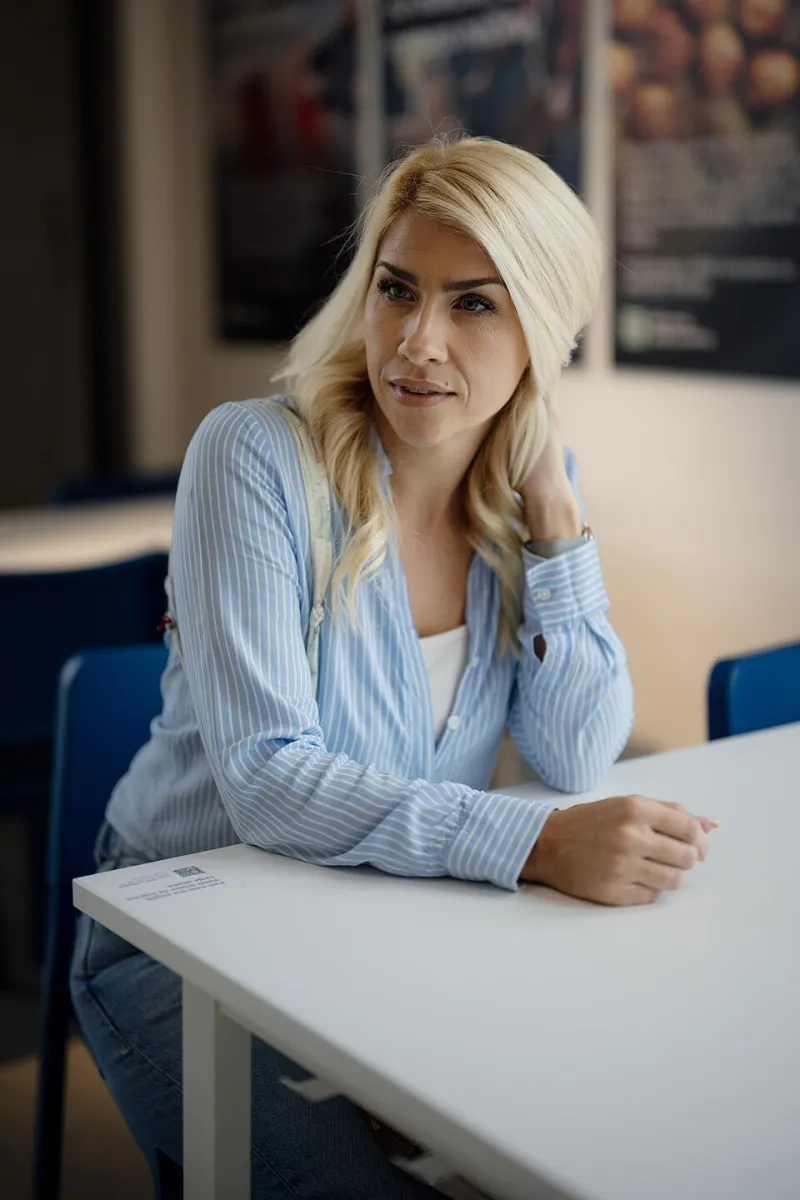
Photo: Shixart1985, CC BY 2.0, via Wikimedia Commons
Few phrases are offered with more kindness than 'you are so brave'. It is meant to reassure, to acknowledge difficulty, to say that someone is admired. Yet for many people living with breast cancer, bravery can become a script they did not choose. The expectation to be inspiring can sit heavily alongside fear, exhaustion and the ordinary irritations of daily life. This is not an argument against hope. It is an argument for a wider emotional range, one in which hope and fear are allowed to coexist.
When praise becomes pressure
Cancer is often described in the language of battle. People are said to fight, to win, to stay positive. These metaphors can be motivating for some, but they can also imply that a bad day is a failure of attitude. When friends say 'you are so strong', the unspoken follow-up can feel like 'so please do not fall apart'. The person with cancer may then spend energy reassuring others, managing their discomfort and performing a version of courage that does not match how they actually feel. That is emotional labour at a time when energy is already precious.
The cost of reassuring everyone else
There is nothing wrong with wanting to protect the people we love. But constantly presenting a calm face can be exhausting. It can make honest conversations harder, including conversations with clinicians, employers and family members. It can also leave fear and anger with nowhere to go. Anger may surface at delays, at thoughtless comments, at the loss of ordinary certainties. Fear may arrive before scans or during waiting periods. These responses are not signs of ingratitude. They are signs that a person is facing something serious and trying to make sense of it.
Fear, anger and ordinary bad days are not failures
There is no correct emotional response to breast cancer. Some people feel practical and focused; others feel numb, tearful or furious. Some days may include laughter and affection; others may be defined by fatigue and dread. All of this is part of a human response to illness. A person does not have to be inspiring to deserve support. They do not have to find a lesson in every difficulty. They are allowed to say that a day was simply bad, without adding a redemptive ending.
Setting boundaries without closing the door
Boundaries are not walls. They are ways of keeping relationships honest and sustainable. A person might say: 'Thank you for saying that. Today I need practical help more than encouragement.' Or: 'I know you mean well, but I am not feeling brave at the moment. I am having a hard day.' These sentences can be rehearsed before they are needed. It can also help to nominate one friend or family member to share updates, reducing the number of repeated explanations. Social media can be limited or paused without apology. The aim is not to shut people out, but to decide which conversations are possible and when.
Asking for real help
When people offer help, it is often easier for them to respond to specific requests. 'Can you drive me to Thursday's appointment?' is clearer than 'let me know if you need anything'. 'Can you sit with me while I open these letters?' is a real form of support. 'Can you help me draft an email to work?' is another. Practical help can be more useful than positive slogans, and it allows friends and family to contribute in ways that respect the person's actual needs. If professional support would help, a GP, hospital psychological service, Macmillan, Maggie's or Breast Cancer Haven can be a starting point.
Holding hope without forcing it
Hope does not have to be loud. It can be quiet, uncertain and compatible with grief. A person may hope for good scan results while also feeling angry about what treatment has taken. They may hope for a return to work while dreading the fatigue that comes with it. Making room for the full experience of breast cancer means resisting the urge to tidy it into a story of relentless positivity. Kindness is more useful than admiration. Presence is more useful than performance. You do not owe anyone a brave face. You are allowed to be exactly where you are.