The Long Night: Rebuilding Restful Sleep During and After Breast Cancer Treatment
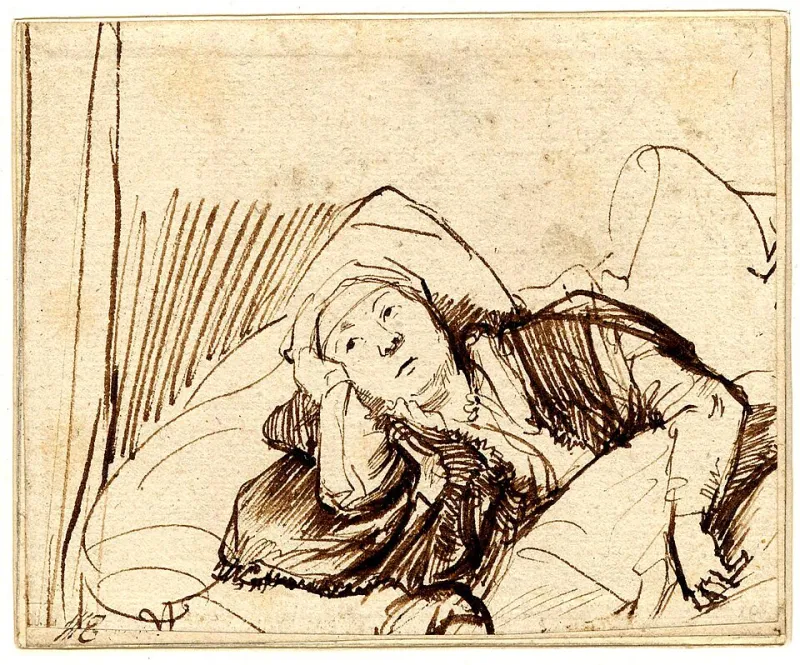
Photo: Rembrandt, Public domain, via Wikimedia Commons
Ask almost anyone who has been through breast cancer treatment about their sleep, and the answer rarely begins with the word "well". Nights can become fragmented, unpredictable and strangely lonely, even when you are exhausted enough to sleep standing up. Broken rest is not a small inconvenience. It colours mood, concentration, pain tolerance and the simple ability to face the following day.
If your nights have become difficult, there is nothing unusual about that — and nothing to be ashamed of. What follows is an honest look at why sleep goes astray during and after treatment, and a set of practical measures you can try, in your own time and at your own pace.
Why sleep drifts when treatment begins
Sleep is easily disturbed, and cancer treatment disturbs it from several directions at once.
Medication. Steroids such as dexamethasone, often given alongside chemotherapy or to manage swelling and nausea, are well known for producing a wired, restless feeling that peaks in the evening. Hormone treatments — tamoxifen, letrozole, anastrozole and exemestane — can bring night sweats and broken sleep. Painkillers, antidepressants and anti-sickness drugs may each play a part.
Physical discomfort. After surgery, sleeping flat or on a particular side may be impossible for a while. Seroma, cording, a tender arm or a tight scar can all make the usual positions uncomfortable. Neuropathy in the hands or feet may add its own restless sensation.
Menopause symptoms. Treatment-induced hot flushes and night sweats are among the most commonly reported causes of poor sleep, and they often arrive earlier and more abruptly than a natural menopause would.
A mind on alert. Appointments, scan results, financial worries and the ordinary business of family life do not clock off at bedtime. Anxiety thrives in the quiet hours, and the more you need sleep, the harder it can be to find.
Broken routine. Hospital days, early appointments, daytime naps and reduced activity all loosen the structure that normally keeps the body's internal clock steady.
Tiredness and sleepiness are not the same thing
One of the more confusing aspects of treatment is the difference between fatigue and sleep debt. Cancer-related fatigue is a deep, whole-body weariness that does not fully resolve with a good night. You can be utterly fatigued and still lie awake, which can feel deeply unfair.
This matters practically. If you spend long stretches resting in bed during the day in the hope of "catching up", you may find that the drive to sleep at night weakens. Gentle activity, fresh air and a consistent wake time tend to do more for nighttime sleep than hours of daytime bed rest.
Reworking the rhythm of your day
- Anchor your wake time. Try to get up at roughly the same time each morning, even after a poor night. This single habit does more for the body clock than almost anything else.
- Get daylight early. Ten to twenty minutes outdoors, or by a bright window, within an hour or two of waking helps set the pattern for the night ahead. A short walk counts twice over.
- Keep naps short and early. If you need to rest, aim for twenty to thirty minutes and avoid napping after mid-afternoon.
- Move gently. A short, regular walk, a stretch or a physiotherapy routine can ease restlessness without leaving you depleted. Build up gradually rather than pushing through.
- Watch the stimulants. Caffeine lingers longer than many people expect — consider a cut-off in the early afternoon. Alcohol may help you fall asleep but commonly fragments the second half of the night and can worsen hot flushes.
- Eat lightly in the evening. A large, late meal can disturb rest, particularly if treatment has left you with reflux or nausea.
Making the bedroom work for you
A few small changes can make a genuine difference to nights disrupted by sweats and discomfort.
- Cool the room. A bedroom at around 16–18°C suits most people. A fan, a window left slightly open or a lower thermostat can help.
- Layer the bedding. A light cotton sheet with a thinner duvet on top is easier to throw off and pull back than one heavy layer.
- Consider cooling products. Cooling pillows, mattress toppers and moisture-wicking nightwear are widely available on the high street and online. None of these are medical devices, but many people find them helpful.
- Keep spare nightwear and sheets nearby. Being able to change quickly, without a full-scale search at 3am, removes one small source of distress.
- Support your surgery side. A V-shaped pillow, a rolled towel under the arm or additional pillows to prop you up can make lying down comfortable again. Your breast care nurse can advise on positioning.
- Dim the light and ditch the clock. Bright screens and constant clock-checking both feed wakefulness. If you can, turn the clock face away from the bed.
The mind at three in the morning
Worry at night feels larger than it does by daylight. Two approaches are worth trying.
First, set aside a "worry window" earlier in the evening — fifteen minutes with a notebook, writing down what is on your mind and one small next step for each item. The aim is not to solve everything, but to give your thoughts somewhere to go before bedtime.
Second, if you are still awake after roughly twenty minutes, get up. Move to another room, keep the lights low, and do something quiet and undemanding — a gentle audiobook, a few pages of a familiar book, slow breathing. Return to bed when you feel sleepy rather than simply tired. This is a core principle of cognitive behavioural therapy for insomnia (CBT-i), the approach most consistently recommended for persistent sleep difficulties.
Asking for help — practically and emotionally
Poor sleep is harder to bear when you are carrying everything alone. Consider what could be shared: night-time laundry after a sweat, a school run, a meal, an early appointment you would rather not attend by yourself. People often want to help but need to be told how.
Charities such as Breast Cancer Now, Macmillan and Maggie's offer information and someone to talk to, and your breast care nurse can usually point you towards local support. If you are employed, your employer's occupational health service or a referral to workplace adjustments may ease pressure that is feeding into sleeplessness.
When to speak to your GP or hospital team
Sleep problems are common, but that does not mean you should simply put up with them. Book an appointment if:
- poor sleep has persisted for several weeks and is affecting your mood, work or daily functioning;
- you are experiencing low mood, hopelessness or thoughts of harming yourself — please seek help urgently, through your GP, NHS 111 or your hospital team;
- you are told you snore heavily, gasp or stop breathing in the night, or you feel overwhelmingly sleepy during the day;
- you have restless legs, night-time pain that is not controlled, or frequent trips to the toilet;
- you would like your medication reviewed — the timing and dose of steroids in particular can sometimes be adjusted.
Your GP can discuss CBT-i, refer you to a sleep service where appropriate, or point you towards NHS Talking Therapies for anxiety and depression. Cancer-related mental health support is also available through many hospital psychological medicine teams.
Before starting any supplement or herbal remedy, check with your oncology team or pharmacist. Some products interact with hormone treatments — St John's wort is a well-known example — and "natural" does not automatically mean safe alongside your particular regimen.
A final word
No one sleeps well every night, and recovery is not a straight line. If you can hold on to one habit — a steady wake time, a cooler room, or a conversation with your team — that is a real step forward. Rest, like recovery, is built gradually.
This article offers general information and is not a substitute for advice from your own medical team.