New Connections After Treatment: Dating on Your Own Terms After Breast Cancer
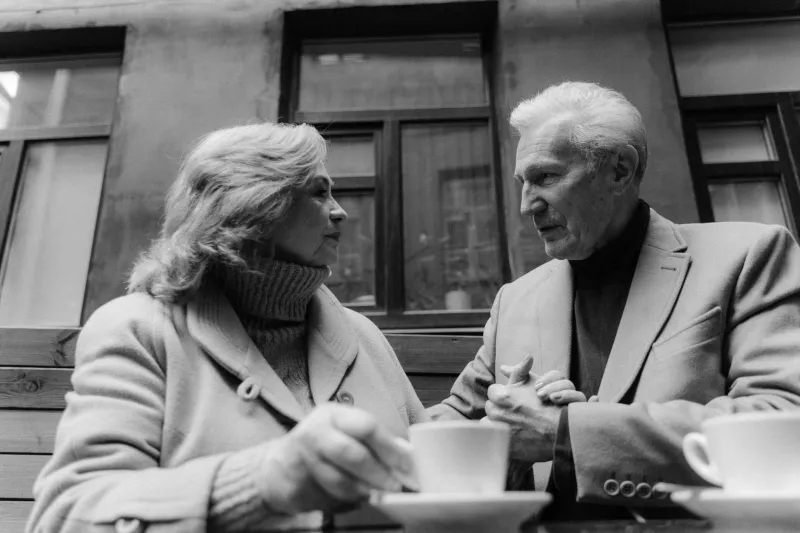
Deciding to date again after breast cancer can bring a mixture of hope, curiosity and uncertainty. Some people feel ready soon after treatment; others need months or years. Both are valid. This guide is not a set of rules. It is an invitation to think about what feels safe, honest and sustainable for you.
There Is No Universal Timeline
Readiness is not a date on a calendar. It may depend on where you are with treatment, fatigue, menopause symptoms, body confidence, or grief for the life you had before diagnosis. Before arranging a date, it can help to ask yourself a few gentle questions:
- Do I want company, intimacy, a relationship, or simply practice at meeting people?
- How much emotional energy do I have this week?
- What would make me feel comfortable, and what would I like to avoid?
You are allowed to change your mind. A first date is not a commitment, and deciding to pause is not a failure. If you are using dating apps, you can set limits on when you swipe, reply or arrange to meet. Some people find daytime coffee or a short walk easier than a long evening, particularly if fatigue is still part of your life.
Deciding When to Share
There is no single right time to disclose a breast cancer diagnosis. You do not owe a stranger your medical history on a first date, and you are not being dishonest by waiting until you feel more comfortable. Disclosure is personal. It may depend on whether you are looking for a casual connection or a longer relationship, how visible your changes are, and how safe you feel with the other person.
Some people prefer to mention it early because it reduces anxiety. Others wait until trust has begun to build. Both approaches can work. What matters is that the decision feels yours rather than pressured by someone else.
If you choose to share, simple language can help. You might say:
- 'I had treatment for breast cancer a while ago. I am happy to answer some questions, though I may keep some details private.'
- 'There is something about my health I would like to tell you when we have a bit more time.'
- 'I would rather keep tonight light. Can we talk about that another time?'
If someone reacts poorly, that is information about them, not about your worth. A respectful person will accept a boundary, even if they are curious. You are not obliged to educate everyone, reassure them, or manage their discomfort.
Body Confidence and Intimacy
Breast cancer treatment can change how you feel about your body. Scars, reconstruction, a prosthesis, hair changes, lymphoedema, menopause symptoms or altered sensation may affect confidence. Some people feel more at ease with their body than before; others need time to reconnect with it. There is no correct emotional response.
Intimacy is not only about sex. It can begin with conversation, affection, non-sexual touch and feeling safe. If you are worried about showing scars or explaining changes, you might choose clothing that helps you feel comfortable, or agree with a partner that you will take things slowly. You can say what you like, what you are unsure about, and what you would prefer to avoid.
If sex is painful, anxiety is high, or you feel low about intimacy, speak to your GP, breast care nurse or oncology team. Psychosexual counselling and NHS talking therapies can be helpful, and charities such as Relate offer relationship support. These conversations are common and nothing to be ashamed of.
Protecting Your Energy
Dating takes emotional and physical energy. After treatment, that energy may be less predictable. Protecting it is not being difficult; it is being realistic.
- Meet in a public place and tell a friend where you are going.
- Keep early dates short, with an easy way to leave.
- Avoid arranging several dates in one week if you know you tire easily.
- Notice if someone pressures you to disclose, ignores your boundaries, or makes your diagnosis their main focus.
- Remember that you can end a date or stop messaging at any time.
You may also meet people who ask intrusive questions or make assumptions. You can respond briefly: 'I am happy to talk about some of it, but I would rather not go into medical details tonight.' A kind person will respect that.
UK Support and a Final Note
Support is available through your breast care nurse, GP, NHS talking therapies, and charities including Breast Cancer Haven, Breast Cancer Now, Macmillan Cancer Support and Relate. Some hospitals offer psychological support or psychosexual services; ask your team what is available locally.
Dating after breast cancer does not have to look like anyone else’s experience. You can take it slowly, change your mind, keep parts of your story private, and choose people who make you feel respected. New connections are possible, but they should not come at the cost of your wellbeing.